
The global food retail landscape is shifting dramatically. Walk into any international supermarket today, and you’ll notice something striking: Chinese noodles have moved from specialty ethnic aisles to mainstream sections, claiming prime shelf space alongside traditional Western pasta. Behind this transformation lies a quiet revolution in how smart retailers source these products. Increasingly, they’re bypassing traditional middlemen and establishing direct partnerships with Chinese noodle manufacturers. That strategy is reshaping the wholesale noodles market and delivering tangible benefits to both retailers and consumers.
This trend isn’t just about cost savings, though that’s certainly part of the appeal. It’s about gaining access to authentic, high-quality products while maintaining control over every aspect of the supply chain. For companies like Jade Premium, which has built its reputation on connecting authentic Chinese cuisine with global markets, this shift represents a natural evolution in international food trade. The company’s extensive network across major Chinese cities—from Hong Kong to Shenzhen, Guangzhou to Chengdu—positions it uniquely to facilitate these direct factory relationships, ensuring that retailers can source premium Chinese noodles with confidence and consistency.
The Direct Factory Advantage: Quality Meets Authenticity
When retailers eliminate intermediaries and work directly with Chinese noodle manufacturers, they gain something invaluable: transparency. Traditional supply chains often involve multiple layers—importers, distributors, wholesalers—each adding their markup while distancing the retailer from the actual production source. This distance creates information gaps. Retailers might struggle to verify ingredient authenticity, understand production processes, or ensure consistent quality standards.
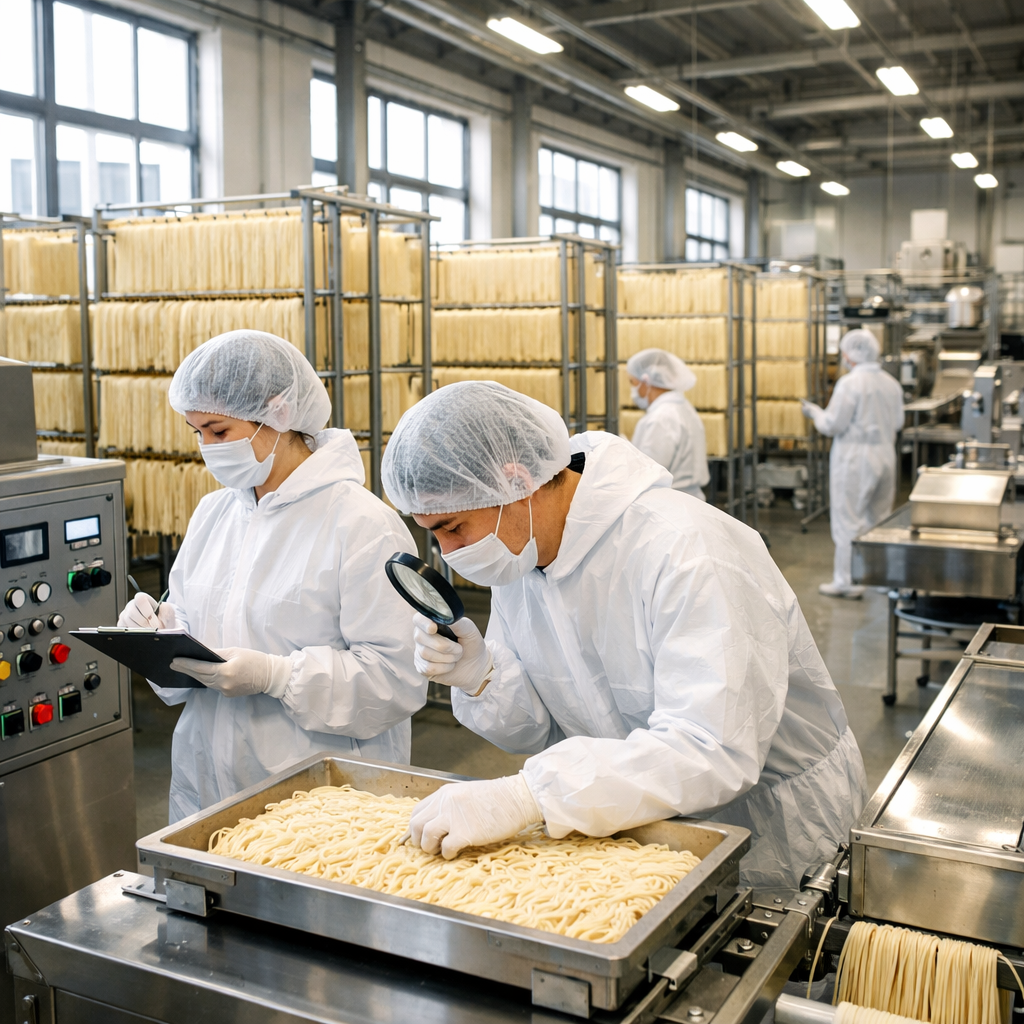
Direct factory partnerships change this dynamic completely. Retailers can visit production facilities, witness quality control procedures firsthand, and build relationships with the people actually making their products. This visibility matters tremendously in today’s market, where consumers increasingly demand to know where their food comes from and how it’s made.
Consider the variety available when you work directly with manufacturers. Chinese noodle production encompasses an astounding range of products: from delicate rice vermicelli to hearty wheat-based lo mein, from instant ramen to fresh alkaline noodles, from traditional hand-pulled varieties to modern konjac-based health options. Each type requires specific production expertise and quality controls. When retailers partner directly with specialized factories, they can access this full spectrum of products rather than settling for whatever limited selection middlemen choose to stock.
The quality consistency that direct partnerships enable is equally compelling. Jade Premium’s approach exemplifies this philosophy—by maintaining offices in key Chinese manufacturing hubs and establishing long-term relationships with premium producers, the company ensures that every shipment meets the same rigorous standards. This consistency isn’t just about taste; it encompasses texture, shelf life, packaging integrity, and compliance with international food safety regulations. When a retailer receives the fifth container of noodles, it should match the quality of the first container exactly. Direct factory relationships, supported by comprehensive quality assurance programs, make this consistency achievable.
Wholesale Options: Customization and Private Label Opportunities
The wholesale Chinese noodles market offers far more flexibility than many retailers initially realize. Direct factory engagement opens doors to customization possibilities that middlemen simply cannot provide. Want to adjust spice levels for different regional markets? Need vegetarian or halal-certified variations? Interested in developing unique flavor profiles that differentiate your store brand from competitors? These requests become conversations rather than obstacles when you’re working directly with manufacturers.
Private label development represents one of the most compelling advantages of direct factory partnerships. Similar opportunities exist across other product categories, as demonstrated by how global brands successfully partner with Chinese OEM manufacturers for authentic private label products. Rather than selling someone else’s brand, retailers can create their own branded Chinese noodles, building customer loyalty and improving profit margins simultaneously. The process typically involves selecting base products from the manufacturer’s capabilities, then customizing packaging design, ingredient specifications, and quality parameters to align with your brand positioning.
Jade Premium’s comprehensive procurement solutions demonstrate how this process can be streamlined. Rather than navigating language barriers, cultural differences, and complex negotiations alone, retailers benefit from experienced intermediaries who understand both the manufacturing landscape in China and the requirements of international markets. This dual expertise proves invaluable when developing private label products that must satisfy Chinese production capabilities while meeting Western market expectations and regulatory requirements.
The minimum order quantities (MOQs) for private label noodles vary significantly based on product complexity and customization level. Standard products with simple packaging changes might require 20,000 units, while fully customized formulations with unique recipes could demand higher initial orders. However, these MOQs often prove more accessible than retailers expect, especially when the resulting margins and brand-building potential are considered. A mid-sized retailer entering into a direct factory partnership for private label instant noodles, for instance, might invest $15,000-$30,000 for an initial shipment—a figure that seems substantial until you calculate the per-unit cost advantages and long-term brand equity gains.
The customization options extend beyond just flavors and recipes. Packaging formats offer another dimension for differentiation: individual serving cups, family-size packs, bulk restaurant supply bags, or premium gift sets. Some retailers are even exploring innovative packaging that tells the cultural story behind the noodles—incorporating QR codes linking to cooking demonstrations, explaining regional noodle traditions, or highlighting the artisanal production methods used. This storytelling approach aligns perfectly with Jade Premium’s vision of sharing the rich cultural heritage of Chinese cuisine internationally, building understanding and trust between Eastern and Western food markets.
Product Types and Essential Certifications: Building Trust Through Compliance
The Chinese noodles wholesale market encompasses diverse product categories, each with distinct characteristics and certification requirements. Understanding these categories helps retailers make informed sourcing decisions while ensuring compliance with international food safety standards.
Instant noodles represent the highest-volume category, with production technology in China rivaling anywhere globally. According to industry research, the global instant noodles market reached $57.4 billion in 2023 and is projected to grow to $90.8 billion by 2032. These products range from basic chicken or beef-flavored varieties to premium options featuring freeze-dried ingredients, authentic regional spice blends, or health-conscious formulations with reduced sodium and added nutrients. The shelf life typically extends 8-15 months, making them attractive for retailers managing inventory.
Fresh and semi-fresh noodles present different opportunities and challenges. These products—including refrigerated lo mein, udon, and rice noodles—offer superior texture and taste but require cold chain logistics and have shorter shelf lives of 30-90 days. European and North American markets have shown growing appetite for these premium options, particularly among restaurants and specialty food retailers.
Dried noodles occupy the middle ground: longer shelf life than fresh varieties (typically 12-24 months) with quality closer to fresh than instant. This category includes traditional products like rice vermicelli, glass noodles (made from mung bean starch), and egg noodles. Their versatility in cooking applications makes them popular with both retail consumers and food service operators.
Health-focused noodles represent the fastest-growing segment. This aligns with broader ethnic food market trends where consumers increasingly prioritize health benefits alongside authentic flavors. Konjac noodles, quinoa noodles, and whole grain varieties appeal to health-conscious consumers seeking authentic Asian cuisine without compromising their dietary goals. These products often command premium pricing and attract customers willing to pay more for perceived health benefits.
Regardless of category, robust certifications form the foundation of successful wholesale partnerships. Leading noodle manufacturers typically maintain ISO 22000 and HACCP certifications as baseline requirements for international trade. International buyers typically require multiple certifications demonstrating food safety compliance. HACCP (Hazard Analysis and Critical Control Points) certification proves that manufacturers have identified and control potential safety hazards throughout production. This certification has become essentially mandatory for exporting to developed markets.
ISO 22000 takes food safety management a step further, integrating HACCP principles with broader quality management systems. For retailers concerned about consistency and reliability, manufacturers holding ISO 22000 certification demonstrate commitment to comprehensive quality assurance.
Religious and dietary certifications open specific market segments. Halal certification enables sales to Muslim consumers and throughout Middle Eastern markets, while Kosher certification appeals to Jewish consumers and certain health-conscious shoppers. Organic certifications, though less common for Chinese noodles, create opportunities in premium market segments.
Jade Premium’s expertise in navigating complex food regulations becomes particularly valuable here. The company’s end-to-end quality control services include supplier qualification verification, ensuring that manufacturing partners maintain appropriate certifications and meet international standards. This due diligence protects retailers from the significant risks associated with non-compliant products: recalls, regulatory fines, reputation damage, and loss of customer trust.
The certification landscape continues evolving. BRC (Brand Reputation Compliance) certification increasingly matters for retailers selling into major UK and European supermarket chains. FDA registration and compliance become crucial for the U.S. market. Rather than navigating this complexity alone, retailers benefit from partners like Jade Premium who maintain current knowledge of regulatory requirements across multiple markets and can verify that manufacturing partners meet these evolving standards.
Packaging, Labeling, and Shelf Life: Protecting Product Integrity
Product quality means little if it arrives at the retailer’s warehouse damaged or deteriorates rapidly on store shelves. This reality makes packaging, labeling, and shelf life critical considerations in Chinese noodles wholesale partnerships. Smart retailers recognize that these seemingly mundane details directly impact profitability and customer satisfaction.
Packaging serves multiple functions beyond simply containing the product. It must protect noodles during international transit—often involving container shipping across oceans, loading and unloading at multiple points, and transport over varying terrain. Quality packaging prevents moisture intrusion, blocks light exposure that can degrade ingredients, and withstands physical impacts without tearing or puncturing.
Different noodle types require specific packaging approaches. Instant noodles typically use multi-layer film pouches that provide excellent barrier properties against oxygen and moisture while remaining cost-effective at scale. Fresh noodles need modified atmosphere packaging (MAP) that extends refrigerated shelf life by replacing air with protective gas mixtures. Dried noodles often utilize simpler packaging but still require moisture barriers to prevent staleness.
The packaging also serves as the primary communication vehicle with consumers. This is where direct factory partnerships offer significant advantages. Working directly with manufacturers allows retailers to ensure packaging design aligns with target market expectations while meeting regulatory requirements. Nutritional labels must comply with local regulations—but format requirements differ dramatically between the U.S., EU, Australia, and other markets. Ingredient lists must translate accurately while avoiding misleading claims. Allergen warnings must appear prominently according to local standards.
Beyond regulatory compliance, packaging tells your brand story. The visual design, materials selection, and information presentation all contribute to consumer perceptions of quality and authenticity. Some retailers choose packaging that emphasizes traditional Chinese cultural elements—using red and gold colors, Chinese calligraphy, or imagery of regional landscapes. Others opt for modern, minimalist designs that signal premium positioning and broad appeal. Direct factory engagement allows retailers to control these brand-building elements rather than accepting whatever packaging the middleman provides.
Shelf life considerations influence every aspect of wholesale noodle sourcing. Instant noodles typically offer 8-15 month shelf lives, but this varies based on ingredients, processing methods, and packaging quality. Products containing freeze-dried meats or vegetables generally have shorter shelf lives than simpler formulations. Understanding these limitations helps retailers plan inventory management, negotiate terms, and avoid costly expired product write-offs.
The relationship between packaging, shelf life, and consumer trust cannot be overstated. When customers pick up a package of Chinese noodles, they make quick judgments about quality based on packaging integrity. Faded labels suggest old inventory. Damaged packaging raises freshness concerns. Clear, attractive packaging with well-organized information builds confidence. Jade Premium’s dedication to delivering exceptional culinary experiences encompasses these details—ensuring that products not only meet quality standards at the factory but maintain that quality throughout the supply chain until reaching consumers.
Sourcing Strategy and Evaluation: Practical Steps for Retailers
Establishing successful direct factory partnerships for Chinese noodles wholesale requires systematic evaluation and strategic planning. Retailers who approach this process methodically significantly increase their chances of building profitable, sustainable supplier relationships.
Begin by clarifying your requirements. What noodle varieties does your customer base want? What price points will your market support and what volume can you realistically move? These foundational questions prevent wasting time evaluating manufacturers whose capabilities don’t match your needs. A specialty food retailer focusing on premium, authentic products has different requirements than a discount chain prioritizing low cost and long shelf life.
Geographic sourcing decisions matter more than many retailers initially appreciate. Chinese noodle production concentrates in specific regions, each with distinct specialties and advantages. Understanding these geographic strengths proves essential when sourcing authentic Chinese ingredients that deliver genuine regional flavors to international markets. Henan province, located in central China, produces enormous volumes of wheat-based noodles and instant ramen. Guangdong province, in the south, specializes in rice noodles and fresh noodle varieties. Sichuan province offers expertise in spicy noodle varieties reflecting the region’s famous cuisine. Understanding these geographic specializations helps retailers identify potential manufacturing partners with the most relevant capabilities.
Factory evaluation requires examining multiple dimensions beyond just production capacity. Financial stability matters—you’re investing time and potentially providing advance payments, so ensuring your manufacturing partner has solid financial footing protects your interests. Production technology and equipment quality directly impact product consistency and efficiency. Quality control procedures reveal how seriously the manufacturer takes food safety and quality assurance. Export experience indicates whether they understand international market requirements and documentation.
This is where Jade Premium’s position as a trusted curator of Chinese cuisine provides tangible value. Rather than cold-calling factories with limited information, retailers benefit from introductions to pre-vetted manufacturers with proven track records. Jade Premium’s offices across major Chinese cities enable direct facility visits and relationship building, while their supply chain expertise helps retailers ask the right questions and interpret answers accurately.
Risk management deserves careful attention in any direct sourcing strategy. Currency fluctuations affect costs when dealing with Chinese manufacturers. Political tensions or policy changes could disrupt supply chains. Quality issues could damage your brand reputation. Smart retailers address these risks through diversification (working with multiple manufacturers rather than single-sourcing), contractual protections (clear quality specifications and remedies for non-compliance), and partnership with experienced intermediaries who can navigate challenges as they arise.
The importance of reliable supply chains became painfully obvious during recent global disruptions. Retailers with established, direct factory relationships generally fared better than those dependent on middlemen with their own priorities and limited transparency. Building resilient supply chains requires understanding your manufacturer’s raw material sources, backup production capacity, and logistics capabilities. It means maintaining regular communication and treating suppliers as partners rather than simply vendors to squeeze on price.
Evaluation shouldn’t end once you’ve selected a manufacturing partner. Ongoing performance monitoring ensures continued quality and identifies emerging issues before they become serious problems. This might include periodic factory audits, third-party quality testing, customer feedback analysis, and performance scorecards tracking delivery timeliness, quality metrics, and communication responsiveness.
Jade Premium’s comprehensive trade services encompass this entire evaluation and management process. From initial manufacturer identification through ongoing quality control and logistics optimization, their integrated approach minimizes complexity and risk while maximizing the benefits of direct factory partnerships. This end-to-end support proves particularly valuable for mid-sized retailers who want direct sourcing advantages without building extensive in-house China expertise.
Market Trends and Strategic Takeaways for Forward-Thinking Retailers
The Chinese noodles wholesale market continues evolving rapidly, presenting both opportunities and challenges for retailers willing to embrace direct factory partnerships. Understanding emerging trends helps retailers position themselves advantageously for the future.
Consumer demand for convenient yet authentic products drives much current market growth. This reflects the broader shift toward ethnic food trends in 2026, where convenience must never compromise cultural authenticity or ingredient quality. Customers increasingly seek restaurant-quality meals at home but with minimal preparation time. This creates opportunities for premium instant noodles that deliver authentic taste and quality ingredients in convenient formats. Manufacturers are responding with innovations like air-dried (rather than fried) noodles that offer healthier profiles, and authentic regional recipes developed in collaboration with celebrity chefs or traditional restaurants.
The clean label movement affects Chinese noodles as much as any other food category. Consumers scrutinize ingredient lists, avoiding artificial colors, flavors, and preservatives. This creates opportunities for retailers offering noodles made with recognizable, simple ingredients. Direct factory partnerships enable retailers to specify ingredient requirements and verify that manufacturers meet clean label standards.
Health and wellness considerations continue expanding in importance. The growing market for konjac noodles (low-calorie, high-fiber options) demonstrates this trend, as does increasing interest in whole grain noodles, vegetable-infused varieties, and reduced-sodium formulations. Retailers who work directly with manufacturers can more easily develop and source products meeting these evolving consumer preferences.
Sustainability and ethical sourcing have moved from niche concerns to mainstream expectations. Consumers want to know that their food is produced responsibly—using sustainable farming practices, treating workers fairly, minimizing environmental impact. Direct factory partnerships enable retailers to verify these practices and communicate them to customers effectively. Jade Premium’s approach to building trust and understanding between Eastern and Western food markets includes highlighting the stories and people behind products, creating emotional connections that transcend simple transactions.
Cultural authenticity presents both opportunity and challenge. As Chinese cuisine gains mainstream acceptance globally, consumers become more knowledgeable and demanding about authenticity. The days when any “Asian-style” noodle would suffice have passed. Today’s consumers seek specific regional varieties—Sichuan spicy noodles, Lanzhou hand-pulled noodles, Taiwanese beef noodles—and can recognize authentic products from generic imitations. Direct factory partnerships in regions known for these specialties enable retailers to offer genuine products with compelling origin stories.
The strategic takeaway for retailers is clear: the future belongs to those who move beyond transactional, price-focused relationships toward partnerships built on quality, transparency, and mutual benefit. Middlemen played important historical roles in international food trade, but their value diminishes as information becomes more accessible and direct connections more feasible.
Retailers who establish direct factory partnerships for Chinese noodles wholesale position themselves to control quality, reduce costs, develop distinctive private label products, and respond quickly to market trends. They build resilient supply chains less vulnerable to disruption while creating authentic connections with the cultural heritage behind the products they sell.
This transformation aligns perfectly with Jade Premium’s vision of deepening integration of global premium food resources while promoting mutually beneficial international trade partnerships. By serving as the bridge between Chinese manufacturers and global retailers, facilitating direct relationships while providing essential quality control and compliance expertise, Jade Premium exemplifies how international trade can evolve beyond simple buying and selling toward genuine cultural exchange and shared success.
The retailers thriving in tomorrow’s market won’t be those who found the cheapest middleman. They’ll be those who built direct relationships with quality manufacturers, who understand the cultural significance of the products they sell, and who recognize that authentic cuisine requires authentic partnerships. Smart retailers are already making this shift, ditching middlemen for direct factory relationships that benefit everyone in the value chain—from Chinese manufacturers to international retailers to global consumers discovering the rich diversity of Chinese noodle traditions.