
The plant-based section has expanded beyond a few dusty tofu blocks tucked in the corner. Shelves now burst with colorful packages of vegan dumplings, ready-to-eat Asian curries, and plant-based versions of traditional dishes you’ve never heard of. This transformation didn’t happen by accident. Much of it traces back to the massive vegetarian expos happening across Asia, where innovation meets tradition, and where the future of your grocery aisle is being written right now.
The global vegan movement has reached a tipping point. By 2023, the worldwide vegan food market hit $24.58 billion, with Asia emerging as a powerhouse driving this growth. What started as a niche lifestyle choice has become a mainstream movement fueled by three powerful forces: health consciousness, environmental sustainability, and ethical concerns about animal welfare. People aren’t just choosing plant-based foods because they’re vegetarian or vegan anymore. They’re choosing them because they’re better for their bodies, kinder to the planet, and align with their values about how food should be produced.
Asia sits at the heart of this revolution for good reason. Countries like China, Vietnam, and Thailand have centuries-old traditions of vegetarian cuisine woven into their cultural and religious practices. Buddhist temples have served plant-based meals for generations. Street vendors have perfected the art of making vegetables taste extraordinary without a drop of meat. This deep culinary heritage, combined with modern food technology and innovation, makes Asia uniquely positioned to lead the global plant-based food industry. And nowhere is this more visible than at the region’s largest vegetarian expos.
Where Innovation Takes Center Stage
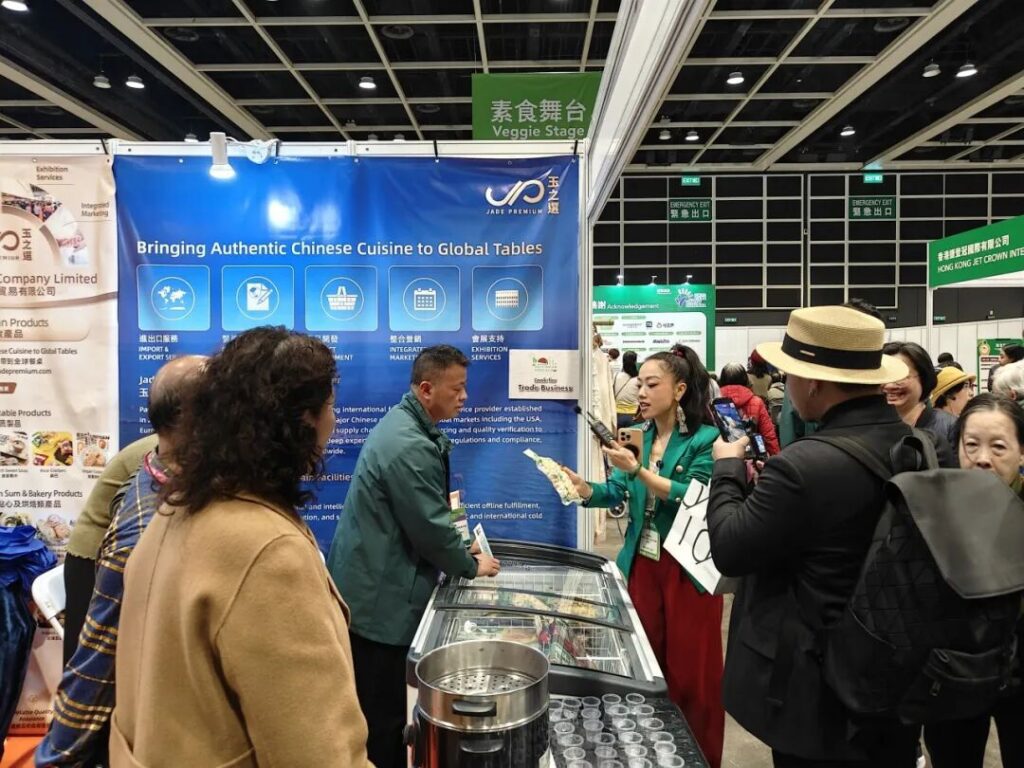
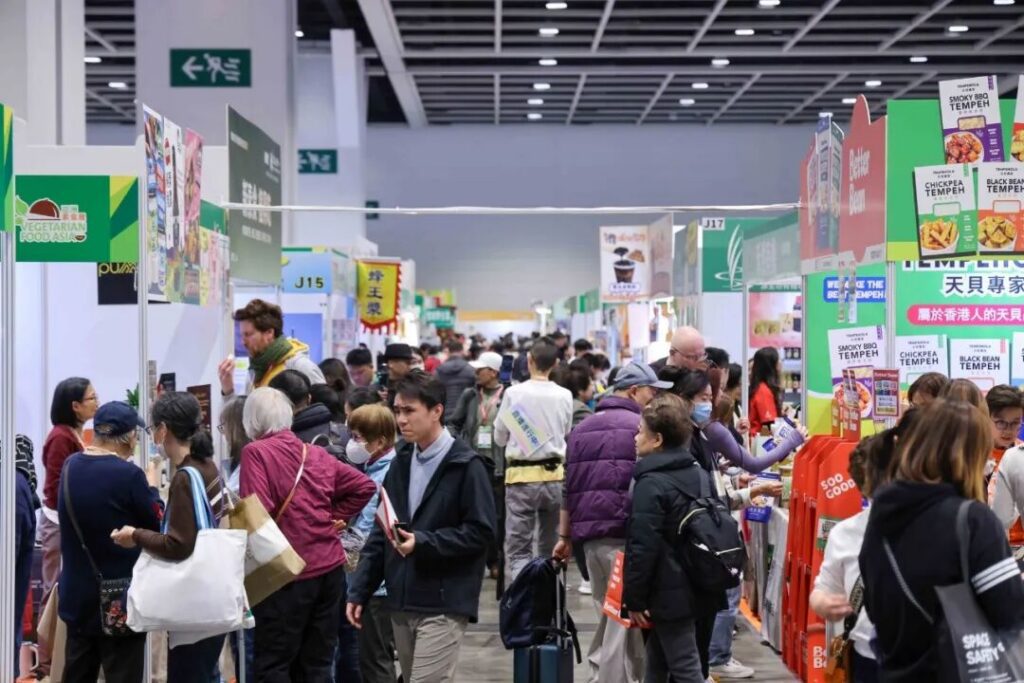
Asia’s vegetarian food exhibitions have become ground zero for plant-based innovation. Events like Vegetarian Food Asia in Hong Kong aren’t just trade shows. They’re glimpses into the future of food. International buyers walked the aisles, discovering products they’d never imagined existed.
Recent industry coverage of Yuhu Group’s participation in the 12th Vegetarian Food Asia further illustrates how major expos are evolving into strategic sourcing platforms. Rather than focusing solely on product display, Yuhu Group used the exhibition to showcase its integrated supply chain capabilities, cold-chain logistics infrastructure, and cross-border distribution networks. Media reports highlighted structured buyer meetings, compliance documentation reviews, and targeted negotiations with overseas importers. This reflects a broader structural shift: trade fairs are no longer symbolic branding events, but operational gateways where international buyers assess scalability, certification readiness, and long-term partnership viability before entering formal procurement discussions.
The diversity on display is staggering. Plant-based meat alternatives have evolved far beyond basic veggie burgers. Exhibitors present sophisticated products like plant-based char siu (Chinese barbecue pork), vegan fish balls for hotpot, and dairy-free versions of traditional Asian desserts. They’re culinary innovations that respect the original dishes while meeting modern dietary preferences.
Ready-to-eat and ready-to-cook meals dominate the expo floors, reflecting how busy consumers worldwide want convenience without compromising on health or taste. You’ll find vegan mapo tofu meal kits, plant-based dim sum platters that steam perfectly in minutes, and frozen dumplings that rival anything you’d get at a traditional restaurant. The packaging is sleek, the ingredients are clean, and the flavor profiles are designed to appeal to both Asian diaspora communities and adventurous eaters everywhere.
What makes these expos particularly valuable is the emphasis on whole foods and balanced nutrition. While ultra-processed plant-based products dominated headlines a few years ago, the 2026 trends show a clear shift. More exhibitors focus on fiber-forward foods, clean proteins, and products that support long-term health. This reflects a growing consumer demand for plant-based options that aren’t just meat-free, but genuinely nutritious. Vegan eggs made from mung beans, protein-fortified noodles, and probiotic-rich fermented products line the booths, showcasing how Asian food innovation addresses both taste and wellness.
The technology on display is equally impressive. Alternative protein startups from China demonstrate how they’re using precision fermentation and cellular agriculture to create products that were science fiction just five years ago. Traditional manufacturers show how they’ve adapted centuries-old techniques—like tofu-making and fermentation—to create modern plant-based products that scale. This marriage of tradition and innovation is Asia’s secret weapon in the global plant-based market.
From Expo Floor to Global Shelves
These Asian expos don’t exist in isolation. They’re powerful engines that drive products from concept to international grocery aisles. For international buyers, these exhibitions serve as essential discovery platforms where sourcing decisions that affect millions of consumers get made.
A similar trajectory can be observed among established Chinese food manufacturers such as Luxiaolian and Longhe Noodle Industry. Both companies have leveraged large-scale trade exhibitions not merely as marketing stages, but as structured entry points into overseas distribution networks. By presenting certified production processes, standardized export packaging, and clearly defined product positioning, they were able to transition from regional producers to internationally recognized suppliers. Their experience highlights a key pattern in today’s food trade ecosystem: sustained international expansion depends less on visibility alone, and more on compliance transparency, buyer trust, and supply chain reliability.
The impact goes beyond just introducing new products. These expos educate international buyers about Asian flavors, ingredients, and cooking methods that might be unfamiliar in Western markets. A European retailer might not know what doubanjiang (fermented broad bean paste) is, but after tasting plant-based mapo tofu at an expo and learning its cultural significance, they understand its potential to add variety to their store’s international aisle. This cultural education is crucial for expanding the global palate and making diverse plant-based options accessible worldwide.
Sales data backs up this influence. Vietnam has seen a 14% annual increase in plant-based food sales in major urban markets like Hanoi and Ho Chi Minh City. Taiwan’s vegetarian population continues growing, driven by environmentalism, animal protection, and health consciousness. China’s alternative protein sector experienced explosive growth in 2025, with plant-based categories ranking among the top three in overseas interest at major food exhibitions. These regional trends ripple outward, influencing product development and buyer decisions globally.
The sustainability angle resonates particularly strongly with international buyers. Plant-based food production can reduce greenhouse gas emissions by up to 70% compared to conventional meat production. When Asian manufacturers present products with clear sustainability credentials at these expos, they’re offering solutions to climate concerns that keep European and North American buyers awake at night. A case in point: tofu, that humble staple of Asian cuisine, is now recognized globally as a champion of sustainable food practices. Its low environmental footprint and high protein content make it exactly what the world needs as we face climate change and population growth.
Why International Buyers Should Pay Attention
For international buyers looking to source high-quality plant-based products, these Asian expos represent unparalleled opportunities. The sheer concentration of suppliers, innovators, and industry experts in one place makes them invaluable for anyone serious about the plant-based category.
Quality assurance is a primary concern for any buyer sourcing from overseas, and these expos address it head-on. Reputable exhibitions carefully vet exhibitors, ensuring they meet basic standards. More importantly, face-to-face interactions allow buyers to ask detailed questions about ingredients, production processes, certifications, and quality control measures. You can taste products, examine packaging, and gauge a supplier’s professionalism in ways that online sourcing can never match.
The compliance knowledge you gain at these expos is equally valuable. Different markets have different regulations for plant-based products. Understanding how Asian suppliers handle certifications, labeling requirements, and ingredient restrictions for various markets can save months of headaches later. Many exhibitors now bring documentation ready to share, having learned what international buyers need to see. Some even offer compliance transformation services, adapting products to meet specific market requirements.
Product customization is another major advantage. Unlike rigid catalog ordering, expo meetings allow for meaningful conversations about adapting products. Maybe that vegan dumpling is perfect but needs slightly different seasoning for Middle Eastern tastes. Perhaps that ready-to-eat meal needs modified packaging to comply with European labeling laws. These discussions happen naturally at expos, leading to partnerships where suppliers create products specifically for your market.
This is precisely where Jade Premium’s philosophy comes into play. As a bridge between authentic Chinese cuisine and global markets, we understand that sourcing from Asia isn’t just about finding cheap products. It’s about discovering authentic, high-quality ingredients and finished goods that tell a story and meet rigorous international standards. Our presence at these major expos allows us to identify the most promising suppliers and innovations before they hit mainstream awareness.
When international buyers work with us, they benefit from our deep local network across major Chinese cities and our established relationships with premium producers. We don’t just connect you with a factory that makes plant-based dumplings. We introduce you to manufacturers who understand the cultural significance of dumplings, use traditional preparation methods adapted for modern production, and meet the quality standards your customers expect. And we verify supplier qualifications, manage end-to-end quality control, and ensure every product bridges the gap between Chinese culinary excellence and international market requirements.
Our comprehensive compliance know-how is particularly crucial in the plant-based sector, where regulations constantly evolve. We navigate the complex international food regulations, certification requirements, and quality standards that can make or break a product launch. Whether you’re a retailer in London seeking authentic Chinese vegan dim sum or a food service operator in Dubai looking for plant-based hotpot ingredients, we provide the market intelligence and supply chain solutions that turn expo discoveries into shelf-ready products.
The 2026 Trends That Will Shape Your Store
Looking ahead, several clear trends emerging from Asia’s vegetarian expos will define the plant-based category in 2026 and beyond. Understanding these trends helps international buyers make strategic decisions about what to stock and how to position plant-based products for their customers.
Global Flavors Go Mainstream: The days when “vegan food” meant bland, Western-style meat substitutes are over. Consumers want authentic, globally inspired flavors. This means more vegan versions of African stews, Southeast Asian curries, Latin American street food, and Middle Eastern mezze. For retailers, it means expanding beyond generic plant-based burgers to offer customers genuine culinary adventures. The Asian expos showcase how diverse plant-based cuisine can be when innovation meets cultural heritage.
Protein-Forward Dining: Protein content has become a major purchase driver. Consumers scrutinize labels, looking for substantial protein levels in their plant-based choices. The expos reflect this with countless fortified products—high-protein noodles, protein-enriched plant milks, and snacks designed to support active lifestyles. For food service operators, this trend means plant-based menu items need to deliver on nutrition, not just taste. A vegan curry needs to be satisfying and protein-rich, not just delicious.
Clean Label Movement: After years of ultra-processed trends, consumers are waking up to ingredient lists. They want plant-based foods made from recognizable ingredients, with minimal additives and processing. The 2026 expos show manufacturers responding with cleaner formulations, transparent sourcing, and products that emphasize whole foods. This shift requires buyers to be more selective, choosing suppliers who prioritize ingredient quality over just price competitiveness.
GLP-1 Friendly Products: With the rise of medications affecting appetite and dietary choices, food manufacturers are adapting. Plant-based products that are nutrient-dense, lower in calories, and satisfying in smaller portions are gaining attention. The Asian expos feature several innovations in this space, recognizing that medical developments influence food trends.
Sustainable Living Integration: Vegan food is increasingly part of a broader eco-friendly lifestyle. Exhibitors showcase not just food products but also sustainable packaging solutions, zero-waste production methods, and products that support circular economy principles. For retailers, this means plant-based products should fit into a larger sustainability narrative that resonates with environmentally conscious shoppers.
Traditional Craftsmanship Meets Modern Tech: Perhaps the most exciting trend is how Asian manufacturers blend traditional food craftsmanship with cutting-edge technology. A tofu maker who’s perfected his craft over decades now uses precision fermentation to create new products. A dumpling factory with generations of experience implements automation that maintains handmade quality at scale. This combination produces plant-based products that honor culinary heritage while meeting modern production demands.
Your Next Steps
The message from Asia’s biggest vegetarian expos is clear: plant-based food has moved far beyond trend status. It’s a permanent, growing category that demands attention from serious international buyers. The products showcased at these exhibitions today will fill grocery aisles and restaurant menus tomorrow.
For retailers, this means actively seeking out these innovative products now. Your customers are already looking for them. They want variety beyond the same few plant-based brands in every store. They’re curious about authentic Asian flavors. And they’re willing to experiment with products that offer genuine nutritional benefits alongside environmental responsibility. The question isn’t whether to expand your plant-based offerings—it’s how quickly you can bring these Asian innovations to your shelves.
For food service operators, the opportunities are equally compelling. Plant-based menu items are no longer accommodations for dietary restrictions—they’re attractions in their own right. A vegan dim sum brunch. A hotpot restaurant with extensive plant-based options. And a quick-service concept built entirely around Asian-inspired plant-based meals. These aren’t niche ideas anymore. They’re mainstream concepts with proven demand, especially among younger consumers who prioritize both culinary adventure and sustainable choices.
The key to success is working with partners who understand both the Asian supply landscape and international market requirements. Asia’s vegetarian expos reveal what’s possible, but turning expo discoveries into successful products requires expertise in sourcing, compliance, logistics, and quality control. It requires understanding the cultural stories behind products and knowing how to communicate that value to international consumers. It requires the kind of comprehensive supply chain solutions that ensure products arrive not just on time, but perfect. And it requires maintaining quality, meeting regulations, and ready to delight customers.
As we look toward 2026 and beyond, one truth becomes undeniable: Asia’s role in shaping the global plant-based food industry will only grow. The innovations emerging from Chinese, Taiwanese, Thai, and Vietnamese suppliers will define what consumers worldwide eat. The expos where these innovations first appear aren’t just trade shows. They’re windows into the future of food. And that future is remarkably diverse, authentically delicious, and sustainably minded.
Your next grocery aisle is being designed right now on the expo floors of Hong Kong, Taipei, and beyond. The question is: will you be there to discover it?