
- Product Formats That Fit Every Business Model
- Market Channels and What's Driving Demand
- Sourcing Considerations for Smart Buyers
- Cold-Chain Management: The Critical Success Factor
- Pricing Dynamics and Competitive Landscape
- Regulatory Compliance in International Trade
- Your Quick-Start Checklist for Wholesale Success
Walk into any Asian restaurant in London, Sydney, or New York, and you’ll likely encounter mantou—the pillowy, steamed Chinese bread that’s been a staple of Chinese cuisine for over 1,700 years. What you might not realize is that these humble buns represent a rapidly growing wholesale opportunity that’s quietly transforming global foodservice operations.
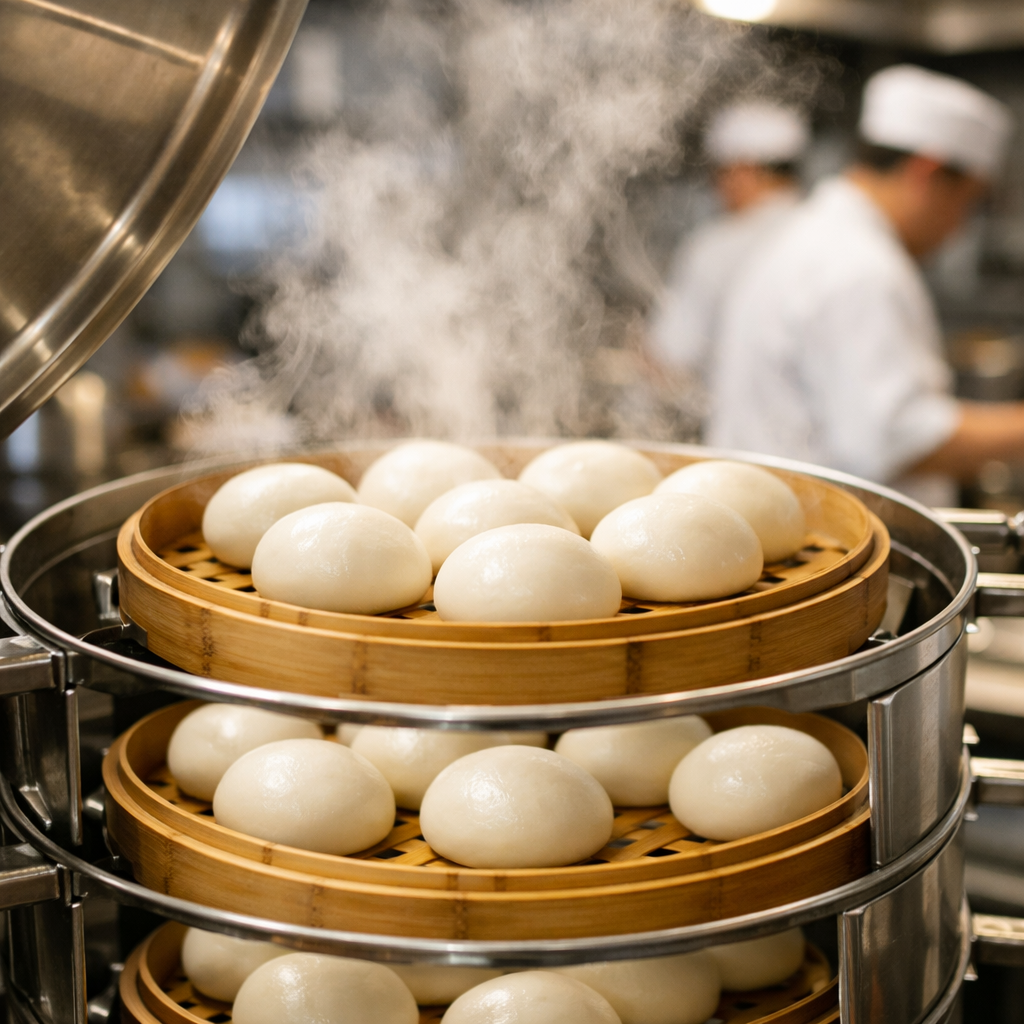
Mantou, which translates roughly to “steamed bun,” isn’t just bread. It’s a versatile foundation that appears in countless forms across Chinese dining—from plain white buns served alongside braised pork to sweet varieties filled with red bean paste. Unlike Western bread that requires baking, mantou is traditionally steamed, giving it a unique soft, spongy texture that’s become beloved far beyond China’s borders.
For international markets, frozen mantou has emerged as a game-changing product—one that smart importers are increasingly adding to their Chinese dim sum wholesale portfolios. The freezing process locks in freshness immediately after production, allowing these delicate items to travel thousands of miles while maintaining their authentic taste and texture. When properly frozen using IQF (Individually Quick Frozen) technology, mantou can last 6-12 months in storage, then be steamed fresh in just 10-15 minutes—no thawing required. This convenience factor has made frozen Chinese bread an essential item for restaurants, hotels, and catering companies seeking to offer authentic Asian menu options without the complexity of scratch preparation.
The beauty of wholesale frozen mantou lies in its bridge between authenticity and practicality. A hotel breakfast buffet in Dubai can serve genuine Chinese steamed buns alongside croissants and pancakes. A fusion restaurant in Melbourne can incorporate mantou into creative dishes. A hospital cafeteria in Toronto can offer culturally appropriate meal options. All without employing specialized dim sum chefs or investing in complex steaming equipment.
Product Formats That Fit Every Business Model
The wholesale frozen mantou market has evolved sophisticated packaging and format options that cater to diverse operational needs. Understanding these formats helps buyers select products that align with their specific business requirements.
IQF (Individually Quick Frozen) mantou represents the gold standard in wholesale formats. This technology freezes each bun separately within minutes of production, preventing the formation of large ice crystals that can damage cellular structure—a critical quality factor that proper cold chain management must preserve throughout distribution. The result? Mantou that maintains its fluffy texture and fresh taste even after months in storage. More importantly, IQF format allows foodservice operators to remove only the quantity needed for immediate service, reducing waste and maximizing efficiency.
Packaging sizes in wholesale markets typically range from 5kg to 20kg cases, with each case containing anywhere from 50 to 200 pieces depending on bun size. Smaller operations might opt for 5kg cases that fit standard commercial freezers and can be consumed within a reasonable timeframe. Large chain restaurants or institutional foodservice operations often purchase 15-20kg cases for better unit economics and reduced reordering frequency.
Product varieties have expanded significantly beyond plain white mantou. Wholesale suppliers now offer whole wheat versions for health-conscious consumers, black sesame mantou for visual appeal and nutritional benefits, and pre-scored buns that split cleanly for sandwich applications. Some suppliers provide mini mantou (30-40g each) perfect for dim sum service, while others specialize in larger format buns (100-120g) suitable for main course applications or burger-style preparations.
Consumer-ready packaging has also emerged as a growing segment. These retail-oriented packs typically contain 6-12 pieces in resealable bags with multilingual preparation instructions. Distributors serving both foodservice and retail channels appreciate this flexibility, as it allows them to serve diverse customer bases from a single wholesale purchase.
The packaging itself tells an important quality story. Premium frozen mantou arrives in moisture-resistant, food-grade materials with clear labeling showing production dates, best-before dates, storage instructions, and heating guidelines. Multi-layer wrapping or vacuum-sealed inner packaging indicates attention to freezer burn prevention and contamination control—critical factors when products travel across international borders.
Market Channels and What’s Driving Demand
The wholesale frozen Chinese bread market operates through several distinct channels, each responding to specific demand drivers that reflect broader shifts in global foodservice.
Wholesale distributors form the backbone of this market. These companies purchase container loads directly from Chinese manufacturers, then distribute smaller quantities to regional buyers. They maintain cold storage facilities, handle import documentation, and provide crucial local market knowledge. For many international buyers, working with established distributors offers the most practical entry point into frozen mantou procurement, particularly for businesses without experience in direct Asian imports.
Food service operators represent the largest end-user segment. Hotels with international breakfast programs have discovered that frozen mantou addresses multiple needs simultaneously. The product provides authentic Asian cuisine representation, requires minimal kitchen skill to prepare, generates minimal waste through portion control, and appeals to both Asian guests seeking familiar comfort food and adventurous Western diners exploring new tastes.
Restaurant chains, particularly those serving Asian fusion or pan-Asian menus, have embraced frozen mantou as a cost-effective way to maintain menu consistency across locations. Rather than relying on each location to produce mantou from scratch—a process requiring specialized knowledge and equipment—chains can centralize procurement and ensure every location serves identical products. This standardization extends brand reliability while reducing training complexity and ingredient variability.
The demand drivers behind this growth reflect fundamental changes in global dining patterns. Consumers increasingly seek authentic ethnic foods rather than westernized interpretations. Frozen mantou delivers genuine Chinese taste and texture, not an approximation. The global pandemic accelerated interest in grab-and-go meal solutions and takeout-friendly items. Mantou’s durability and easy reheating make it ideal for these applications.
Convenience represents perhaps the strongest demand driver. Ready-to-steam frozen mantou integrates seamlessly into existing kitchen operations. A breakfast buffet simply adds a commercial steamer—many already have them for vegetables—and can offer authentic Chinese steamed bread within minutes. No specialized dough preparation, no proofing time, no baking temperature calculations. The simplicity removes barriers to menu diversification.
Authenticity preservation matters deeply in this equation. When a restaurant in Germany purchases frozen mantou from a reputable Chinese supplier, they’re not just buying a product—they’re buying cultural authenticity. The mantou was made by producers who understand traditional techniques, using recipes refined over generations. This authenticity resonates with increasingly sophisticated global diners who can distinguish genuine ethnic foods from pale imitations.
Sourcing Considerations for Smart Buyers
Successful wholesale procurement of frozen Chinese bread requires careful attention to supplier selection, order specifications, and quality verification processes.
Supplier selection starts with credibility verification. Reputable frozen mantou suppliers maintain internationally recognized food safety certifications including HACCP, ISO 22000, and often region-specific certifications like BRC (British Retail Consortium) or FDA registration for US markets. These aren’t mere paperwork exercises—they represent systematic quality control processes that minimize contamination risks and ensure consistent production standards.
Jade Premium’s approach to supplier vetting exemplifies best practices in this space. Rather than simply connecting buyers with any manufacturer, the company conducts on-site facility audits, reviews production protocols, verifies cold chain capabilities, and establishes quality benchmarks before adding suppliers to their network. This rigorous qualification process protects buyers from costly mistakes while building trust in cross-border transactions.
Minimum Order Quantities (MOQs) vary significantly across suppliers, reflecting different business models and production scales. Container-load MOQs typically range from 10 to 20 tons, representing one or two 20-foot refrigerated containers. For buyers unable to commit to full container loads, some suppliers offer LCL (Less than Container Load) options, though per-unit costs increase accordingly. Understanding your actual consumption rate and storage capacity before negotiating MOQs prevents over-ordering and subsequent product degradation.
Lead times in frozen food imports deserve careful planning. Production time typically requires 7-14 days once orders are confirmed, followed by 20-40 days for sea freight depending on destination port. Air freight dramatically reduces transit time but multiplies costs, making it suitable only for urgent orders or high-value specialty items. Smart buyers establish regular ordering cycles aligned with their consumption patterns, maintaining buffer inventory to absorb transit delays while avoiding excessive frozen storage periods.
Customization capabilities separate sophisticated suppliers from commodity producers. Leading mantou manufacturers offer private labeling, custom sizing, recipe modifications for dietary requirements, and packaging tailored to specific market preferences. A buyer serving halal markets might request production line segregation and halal certification. A health-focused chain might specify whole grain formulations with reduced sodium. These customizations require supplier flexibility and technical capability, making supplier selection all the more critical.
Food safety documentation cannot be overlooked. Every shipment should include detailed documentation: product specifications, nutritional analysis, allergen declarations, production certificates, and third-party testing results for common contaminants—requirements that comprehensive supplier verification processes must validate before orders are placed. This documentation isn’t bureaucratic overhead—it’s essential protection if questions arise about product safety or compliance. Suppliers who resist providing comprehensive documentation raise immediate red flags.
Cold-Chain Management: The Critical Success Factor
Even the highest-quality frozen mantou becomes worthless if cold-chain integrity fails during transit or storage. Understanding and managing these logistics realities separates successful wholesale operations from costly failures.
Cold-chain logistics for frozen bread demands consistent temperature maintenance at -18°C (-0.4°F) or below throughout the entire journey from production facility to end user—a standard detailed in ISO 23412 for cold chain logistics. Temperature fluctuations, even brief ones, can cause ice crystal formation that damages mantou’s delicate cellular structure, resulting in mushy texture or off flavors after steaming.
Proper cold-chain management begins at the factory loading dock. Premium suppliers use blast freezing to bring freshly produced mantou from room temperature to -18°C within hours, preventing large ice crystal formation. The frozen products then move immediately into temperature-controlled storage facilities before loading into refrigerated containers that maintain consistent cold temperatures during ocean transit.
Container selection matters significantly. Modern refrigerated containers (reefers) employ advanced monitoring systems that track internal temperatures throughout the journey, providing buyers with temperature logs that verify cold-chain compliance. Some sophisticated operations use IoT-enabled containers that provide real-time temperature alerts, allowing immediate intervention if cooling systems malfunction.
Port operations present particular cold-chain vulnerabilities. Delays in customs clearance can leave containers sitting on docks for extended periods. While refrigerated containers continue operating during these delays, power interruptions or mechanical failures occasionally occur. Working with experienced logistics partners who maintain relationships with port authorities and can expedite clearances minimizes these risks.
Jade Premium’s expertise in logistics optimization addresses these challenges through systematic cold-chain management. Their comprehensive approach includes pre-shipment facility audits verifying proper freezing and storage procedures, selecting shipping partners with proven refrigerated container maintenance records, coordinating with customs brokers to minimize clearance delays, and arranging immediate transfer to temperature-controlled warehousing upon arrival. This end-to-end oversight ensures frozen mantou arrives in pristine condition, ready for distribution.
Destination warehousing requires equal attention. Frozen bread can’t simply be stored in any freezer—commercial cold storage facilities must maintain consistent temperatures, ensure proper air circulation to prevent frost buildup, and implement FIFO (First In, First Out) inventory rotation. Buyers should verify that their storage providers specialize in frozen food handling and maintain proper certifications.
Final delivery to foodservice locations represents the last cold-chain mile. Distributors serving restaurants and hotels must use refrigerated trucks and minimize delivery times. Products should move directly from truck to commercial freezer, avoiding ambient temperature exposure. Training delivery personnel on proper handling procedures prevents careless mistakes that compromise product quality.
Pricing Dynamics and Competitive Landscape
Understanding the pricing structure and competitive forces in wholesale frozen mantou markets enables buyers to negotiate effectively while maintaining quality standards.
Wholesale pricing for frozen Chinese bread typically ranges from $1.50 to $4.00 per kilogram FOB (Free On Board) Chinese port, depending on several factors: product type, order volume, customization requirements, and supplier positioning. Plain white mantou represents the lowest price point, while specialty varieties like whole wheat, multi-grain, or organic versions command premium pricing.
Volume discounts follow predictable patterns. Container-load orders (20+ tons) typically receive 15-25% better pricing than LCL orders. Establishing long-term supply agreements with quarterly or annual volume commitments can unlock additional 5-10% discounts while securing supply stability. These volume relationships benefit both parties—suppliers gain revenue predictability, buyers achieve better economics.
Beyond base product cost, comprehensive pricing analysis must include landed costs: ocean freight, port fees, customs duties, cold storage, inland transportation, and distributor margins. These additional costs often equal or exceed the FOB product price, making total landed cost 2-3 times the FOB price. Buyers focused solely on low FOB pricing often find themselves paying more overall when these additional costs are factored properly.
The competitive landscape includes several distinct supplier categories. Large-scale industrial producers focus on commodity volumes with standardized products and aggressive pricing. Mid-sized specialty manufacturers emphasize quality, customization, and premium ingredients while commanding higher prices. Small artisanal producers offer ultra-premium products for niche markets willing to pay significant premiums for organic ingredients or traditional recipes.
Jade Premium’s comprehensive trade services provide valuable advantages in this competitive environment. Rather than simply sourcing the lowest-cost supplier, they analyze total cost of ownership, assess supplier reliability and quality consistency, negotiate favorable terms leveraging their established relationships, and provide transparent pricing breakdowns that help buyers understand true costs. This consultative approach often reveals that seemingly cheaper options cost more when quality issues, delays, or compliance problems are factored.
Payment terms significantly impact cash flow and risk management. Standard international trade terms require 30% deposit upon order confirmation, with 70% balance payment before shipment. Some established buyers negotiate extended terms like Net 30 or Net 60, though this requires strong credit history and relationship development. Letter of credit (LC) arrangements provide protection for both parties but add banking fees and complexity.
Market intelligence about pricing trends helps buyers time purchases strategically. Frozen food prices generally remain stable compared to fresh products, but seasonal variations in raw material costs and periodic energy price fluctuations do impact pricing. Suppliers typically announce price adjustments quarterly with 30-60 day notice, allowing buyers to place advance orders before increases take effect.
Regulatory Compliance in International Trade
Successfully importing frozen mantou across international borders requires navigating complex regulatory frameworks that vary by destination market.
Food safety regulations form the foundation of import compliance. Most developed markets require that imported frozen foods meet domestic production standards for microbial content, additive use, and contamination limits. The European Union’s stringent regulations require comprehensive documentation proving compliance with EU food safety directives. The United States FDA requires foreign suppliers to register and comply with Food Safety Modernization Act (FSMA) requirements. Each market presents unique requirements demanding careful preparation.
Labeling requirements vary significantly across markets—mistakes that cost importers thousands in rejected shipments. Ingredient lists must appear in local languages with ingredients listed in descending order by weight. Nutritional information panels must follow local format requirements. Allergen declarations must highlight common allergens according to local regulations—with variation in what’s considered a major allergen. Expiration date formats must match local conventions. These seemingly minor details can result in shipment rejection if overlooked.
Import licenses and permits represent another compliance layer. Some countries require importers to hold food import licenses issued by health ministries or food safety agencies. Certain product categories may require additional permits or inspection certificates. Halal or kosher certifications add another documentation layer for markets where these designations matter. Brazil requires extensive documentation and often physical inspection. Each destination market presents unique requirements.
Jade Premium’s proficiency in compliance transformation proves invaluable for buyers navigating these complexities. Their comprehensive approach includes researching specific requirements for each destination market, coordinating with suppliers to ensure proper documentation, arranging necessary certifications and laboratory testing, preparing compliant labeling and packaging, and managing customs broker relationships to ensure smooth clearance. This expertise transforms potentially overwhelming regulatory challenges into managed processes.
Documentation completeness prevents costly delays—errors that represent common mistakes when importing Chinese food products. Standard required documents include commercial invoice, packing list, bill of lading, certificate of origin, health certificate, and product specifications. Some markets require additional documents like fumigation certificates, phytosanitary certificates, or free sale certificates. Every document must be accurate, complete, and properly authenticated. Missing or incorrect documentation results in shipment delays or rejection.
Tariff classification impacts landed costs significantly. Frozen bread products typically fall under HS codes 1905.90, but exact classification depends on ingredients and preparation method. Classification determines applicable duty rates, which range from 0% to 25% depending on product and destination country. Professional customs brokers ensure proper classification that minimizes duties while maintaining compliance.
Understanding destination market standards for shelf life and storage requirements prevents misunderstandings. Some markets require minimum remaining shelf life at import (often 60-75% of total shelf life), while others have more flexible standards. Storage temperature requirements must align with local regulations. These specifications should be clarified before placing orders to ensure suppliers can meet requirements.
Your Quick-Start Checklist for Wholesale Success
Ready to explore frozen Chinese bread wholesale opportunities? This practical checklist provides actionable steps to initiate orders while ensuring quality, reliability, and supplier capability align with your needs.
Step 1: Define Your Requirements
Start by clarifying exactly what you need. Determine your target order volume based on realistic consumption forecasts and storage capacity. Specify preferred mantou types, sizes, and any special requirements like organic certification or halal compliance. Identify your target pricing range based on market research and margin requirements. Understanding these parameters before approaching suppliers saves time and focuses discussions productively.
Step 2: Assess Supplier Credentials
Request comprehensive supplier information including company background, production capacity, export history, and existing international customers. Verify food safety certifications and review recent audit reports. Ask for detailed product specifications including ingredients, nutritional analysis, and shelf life information. Legitimate suppliers readily provide this information—hesitation suggests potential problems.
Step 3: Request and Evaluate Samples
Never commit to container-load purchases without testing product quality firsthand. Request samples of your preferred products, ideally shipped frozen via air courier using proper cold-chain packaging. Evaluate appearance, texture after steaming, taste, and consistency across multiple pieces. Conduct blind comparisons with competing products. Involve key stakeholders in evaluation—chefs, purchasing managers, and even end consumers if appropriate.
Step 4: Verify Cold-Chain Capabilities
Question suppliers about their freezing methods, storage facilities, and cold-chain logistics management. Request temperature monitoring protocols and ask about backup systems for power outages or equipment failures. Discuss packaging methods designed to prevent freezer burn and maintain quality. Suppliers with robust cold-chain management readily discuss these details—vague answers indicate potential weaknesses.
Step 5: Negotiate Terms Clearly
Establish clear expectations around pricing, payment terms, minimum orders, lead times, packaging specifications, and quality guarantees. Document everything in writing to prevent misunderstandings. Discuss contingency plans for quality issues, delays, or supply interruptions. Clear agreements protect both parties and establish foundation for long-term relationships.
Step 6: Start Small, Scale Thoughtfully
Consider placing an initial LCL order before committing to full container loads. This approach allows you to test supplier reliability, evaluate product performance in your specific application, and validate demand forecasts with minimal risk. Successful initial orders build confidence for larger commitments.
Step 7: Establish Quality Control Systems
Implement receiving inspection procedures that verify temperature maintenance during transit, check packaging integrity, and conduct random quality sampling. Document any issues immediately and communicate with suppliers transparently. Systematic quality monitoring ensures consistent standards and provides early warning of potential problems.
Step 8: Build Partnership, Not Just Transactions
The most successful wholesale relationships transcend individual orders to become strategic partnerships. Provide feedback to suppliers about product performance and market reactions. Share forecasts to help suppliers plan production. Communicate challenges honestly to find collaborative solutions. These investments in relationship quality pay dividends through better service, pricing, and supply reliability.
Jade Premium’s vision of bridging authentic Chinese cuisine with global tables through trusted partnerships exemplifies this relationship-oriented approach. Rather than viewing wholesale trade as purely transactional, they invest in understanding both supplier capabilities and buyer needs, creating value through thoughtful matching and ongoing support.
The frozen Chinese bread wholesale opportunity represents more than a product category—it’s a gateway to offering authentic Asian cuisine that resonates with increasingly diverse global consumers. For foodservice operators seeking menu differentiation, frozen mantou provides proven appeal combined with operational simplicity. For distributors building portfolio strength, frozen Chinese bread addresses growing demand with attractive margins and expanding applications—a trend that Asian food distributors are actively incorporating into their evolving supply chain strategies.
Success in this market requires balancing multiple factors: product quality, supplier reliability, pricing competitiveness, regulatory compliance, and cold-chain management. It demands partners who understand not just logistics and documentation, but also the cultural significance and culinary potential of the products they handle.
The wholesale buyers who thrive in this space approach it with curiosity about the cuisine, respect for the suppliers, and commitment to delivering authentic experiences to their own customers. They recognize that every steamed mantou served in a London hotel or Sydney restaurant represents centuries of Chinese culinary tradition, now accessible globally through modern frozen food technology and professional trade facilitation.
As international food markets continue evolving toward greater authenticity and diversity, frozen Chinese bread stands positioned for sustained growth. The opportunity awaits buyers ready to approach it thoughtfully, with quality standards, partnership mindset, and genuine appreciation for the authentic flavors they’re bringing to global tables.